
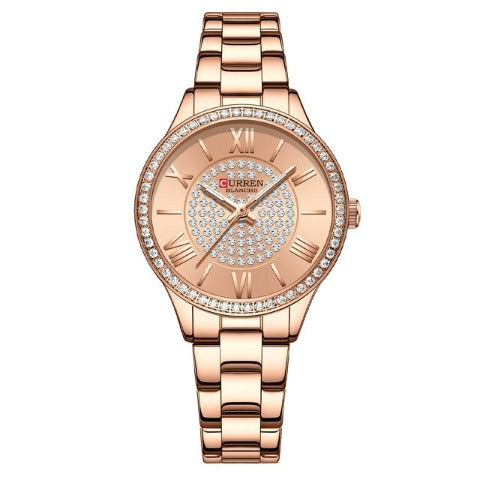
A watch marked 3 ATM, 3 bar, or 30 m can handle an accidental splash or brief exposure to rain. Take it off before swimming, showering, or holding it directly under a running faucet. The number in meters describes a pressure rating under test conditions. Follow the watchmaker’s guidance for what you can do with it on your wrist.
What 3 ATM means in daily use
- A splash at the sink or a few drops of rain. Wipe the watch with a soft, dry cloth when you can.
- A shower, pool, or bath. Take it off beforehand. Keep it out of hot tubs and saunas too.
- A wet watch that needs adjusting. Dry it first. Leave the crown and any pushers alone while the watch is wet.
Seiko puts 3 bar in its incidental splash and rain category. Citizen similarly treats 3 bar as water resistance for everyday use. Both publish separate guidance for swimming and diving. Seiko’s water-resistance chart and Citizen’s water-resistance guide show how those recommendations differ by rating.
Check the activity against the exact model
If you want a watch for pool laps, look for the word swimming in the manufacturer’s instructions for that model. If you want it for diving, look for a purpose-built dive watch with instructions for your intended type of diving. Case styling and strap material tell you little about the seals.
For example, the Cadence CUR218 has a stainless steel bracelet, while the Forma CUR221 has a silicone strap and buckle. ThornTerra lists both at 3 ATM for rain and splashes. Choose between them for the bracelet or strap you prefer, and take either one off before going into the water.
Recheck the rating after service or a hard knock
Seals can age, and an impact can compromise a case. If water resistance matters to you, ask a watch repairer whether they can pressure-test the watch after opening it for a battery change or after an impact. If you see persistent fog under the crystal, keep the watch dry and have it inspected.